
Owning a home means managing an ongoing cycle of maintenance, repair, and strategic upgrades that protect both livability and long-term value. While many homeowners focus on visible improvements, the real work often happens behind the scenes—within structural systems, mechanical components, and preventative care routines. Ignoring these areas can quickly turn minor issues into expensive emergencies. A well-informed approach helps you stay ahead of problems instead of reacting to them under pressure.
This handbook is designed to provide a comprehensive, practical framework for managing home services across every major area of your property. From outdoor surfaces and roofing to indoor air quality and structural repairs, each section focuses on what to prioritize and when to act.
Understanding the Full Scope of Home Maintenance

Proactive maintenance is almost always more cost-effective than emergency repair work, and the difference can be substantial over time. Small issues—like minor leaks, hairline cracks, or clogged ducts—tend to escalate when left unaddressed. Emergency repairs often require expedited labor, specialized equipment, and sometimes temporary fixes that add to long-term costs. By contrast, routine maintenance allows for planned scheduling and competitive pricing. This shift from reactive to proactive management is one of the most important mindset changes a homeowner can make.
To stay organized, it helps to categorize home services by urgency, frequency, and seasonality. Urgent services include structural repairs, water intrusion, and safety hazards that require immediate attention. Recurring services, such as termite control or HVAC maintenance, follow predictable timelines and should be scheduled in advance. Seasonal tasks—like gutter cleaning or exterior inspections—are best aligned with weather patterns. Grouping services this way creates a clearer picture of what needs attention and when.
Building a personalized home service calendar brings structure to what can otherwise feel overwhelming. Start by mapping out annual, semi-annual, and quarterly tasks based on your home’s age, location, and construction type. Include reminders for inspections, cleanings, and preventative treatments. This approach not only improves efficiency but also extends the lifespan of key systems. Over time, your calendar becomes a reliable tool for maintaining consistency and avoiding costly oversights.
Driveways, Paths, and Outdoor Surfaces
Outdoor surfaces play a larger role in home performance than many homeowners realize. Driveways, walkways, and patios affect drainage, accessibility, and curb appeal all at once. Material selection is critical, as it determines how well these surfaces handle weather exposure and daily use. Poor drainage or cracking can lead to water pooling near the foundation, increasing the risk of structural issues. Choosing the right materials upfront reduces maintenance and improves long-term durability.
Asphalt paving remains a popular choice due to its balance of cost, flexibility, and ease of repair. It performs well in climates with temperature fluctuations because it can expand and contract without cracking as easily as rigid materials. However, it does require periodic sealing to maintain its condition. Alternatives like concrete or pavers offer different aesthetic and performance benefits but often come with higher upfront costs. Evaluating long-term maintenance requirements alongside installation costs leads to better decisions.
Seasonal wear patterns also influence when to schedule resurfacing or repairs. Freeze-thaw cycles, heavy rainfall, and prolonged sun exposure all contribute to surface degradation. Spring and early fall are typically ideal times for major work, as temperatures are moderate and conditions are more predictable. Addressing issues early prevents them from spreading and reduces the scope of future repairs. Regular inspections help you stay ahead of these seasonal challenges.
Outdoor Structures, Fencing, and Decorative Metalwork
Outdoor structures such as pergolas, fences, and detached garages add both function and visual appeal to a property. When deciding between prefabricated options and custom builds, consider your budget, timeline, and design goals. Prefabricated structures offer speed and cost efficiency, while custom builds allow for tailored dimensions and materials. In some cases, working with metal building companies provides durable, low-maintenance solutions for larger structures. Each option has trade-offs that should align with your long-term plans.
Decorative and safety features can significantly enhance both usability and curb appeal. Elements like stair railings, gates, and balcony guards serve a practical purpose while contributing to the overall design. Hiring an iron railing service ensures these features are fabricated and installed to meet safety standards. Well-designed metalwork can elevate the look of a home without requiring extensive structural changes. It’s a strategic way to combine aesthetics with function.
Maintenance is essential for preserving the integrity of outdoor structures over time. Metal components should be inspected for rust and treated as needed, while wood elements require sealing or staining to resist moisture. Composite materials offer lower maintenance but still benefit from periodic cleaning. Establishing a routine maintenance schedule prevents small issues from becoming major repairs. Consistent care extends the lifespan of these investments.
Tree Care, Yard Health, and Outdoor Safety

Healthy landscaping contributes to both property value and safety, but it requires ongoing attention. Trees, in particular, can become liabilities if they are not properly maintained. Overgrown branches, diseased trunks, or unstable root systems can pose risks to structures and power lines. Identifying these issues early allows for controlled intervention rather than emergency response. Regular inspections by a professional arborist can help you stay ahead of potential hazards.
Tree removal becomes necessary when a tree is dead, structurally compromised, or positioned too close to critical structures. While removal can seem drastic, it is often the safest and most cost-effective option in high-risk situations. Removing a problematic tree also protects underground utilities and reduces the likelihood of storm damage. The process should always be handled by experienced professionals to ensure safety and compliance. Proper removal minimizes disruption to the surrounding landscape.
Seasonal yard assessments are another key component of outdoor safety. Weather changes can reveal new vulnerabilities, such as soil erosion or drainage issues. Addressing these concerns promptly helps maintain a stable environment around your home. It also reduces the likelihood of emergency service calls during extreme conditions. A proactive approach keeps your outdoor spaces both functional and safe.
Protecting Your Roof and Everything Beneath It
Your roof is one of the most critical components of your home, acting as the primary barrier against weather and environmental damage. Early warning signs of deterioration include missing shingles, sagging areas, and water stains on ceilings. These issues often start small but can escalate quickly if ignored. Regular inspections help identify problems before they require major repairs. Staying vigilant protects both the roof and the systems beneath it.
Professional inspections conducted by roofing contractors provide a more thorough evaluation than a visual check alone. These inspections typically include assessments of flashing, ventilation, and underlying structures. Scheduling inspections at least once a year—and after major storms—helps maintain the roof’s integrity. Timely repairs extend the lifespan of the roofing system and prevent secondary damage. This proactive approach also supports insurance claims if needed.
Choosing the right roofing materials involves balancing durability, cost, and aesthetic preferences. Climate conditions, local regulations, and long-term maintenance requirements all play a role in this decision. High-quality materials may have a higher upfront cost but often deliver better performance over time. Aligning your choice with your overall renovation goals ensures consistency. A well-maintained roof is a cornerstone of a stable home.
Winning the Battle Against Moisture and Water Intrusion
Moisture is one of the most persistent threats to a home’s structure and indoor environment. Water can enter through foundations, walls, or roofing systems, often traveling unseen before causing visible damage. Once inside, it creates conditions that promote mold growth and material deterioration. Addressing moisture issues requires identifying both the entry points and the underlying causes. Surface-level fixes rarely provide lasting results.
Solutions like crawl space encapsulation help control moisture at its source by sealing vulnerable areas and improving insulation. This process typically involves installing vapor barriers, sealing vents, and managing humidity levels. When combined with proper drainage and ventilation, it creates a controlled environment that resists moisture intrusion. These measures also improve indoor air quality by reducing humidity and contaminants. Long-term solutions focus on prevention rather than repeated repairs.
Understanding how different systems interact is key to effective moisture control. Ventilation, insulation, and drainage all work together to maintain balance within the home. Neglecting one component can undermine the others. A comprehensive approach ensures that moisture is managed consistently across all areas. This integrated strategy protects both the structure and the health of occupants.
Indoor Air Quality
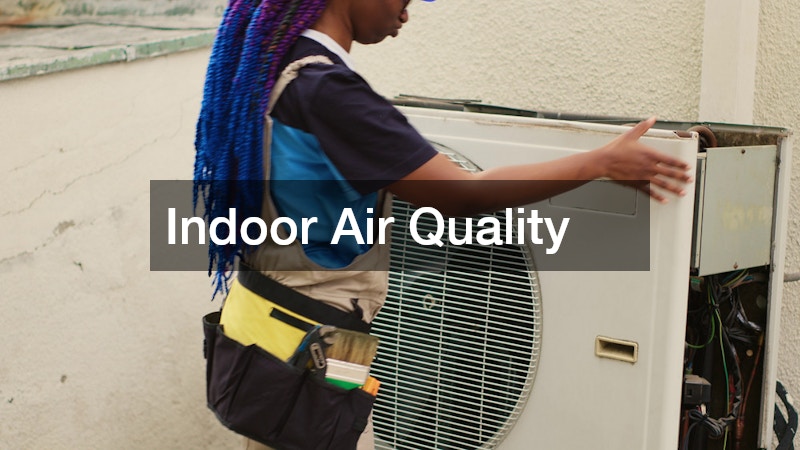
Indoor air quality is often overlooked, yet it has a direct impact on health and comfort. HVAC systems circulate air throughout the home, meaning any contaminants within the system are distributed as well. Dust, allergens, and debris can accumulate in ducts over time, reducing efficiency and air quality. Regular maintenance helps keep these systems functioning properly. It also supports better airflow and temperature regulation.
Hiring a local duct cleaner ensures that your HVAC system is thoroughly inspected and cleaned using professional equipment. This process removes built-up debris and improves overall system performance. It is particularly important after renovations, when construction dust can infiltrate ductwork. Scheduling cleanings around allergy seasons can also provide noticeable benefits. Cleaner air contributes to a healthier living environment.
Ventilation plays a crucial role in maintaining air quality by allowing fresh air to circulate and stale air to exit. Properly functioning vents and filters help regulate humidity and reduce the buildup of pollutants. Neglecting these components can lead to discomfort and potential health issues. A well-maintained system supports both efficiency and well-being. Investing in air quality is an investment in your home’s livability.
Mold, Pests, and the Hidden Threats Inside Your Walls
Mold and pests thrive in environments where moisture, warmth, and organic materials are present. These conditions are often found within walls, crawl spaces, and other hidden areas of a home. Once established, mold can spread quickly and compromise both structural materials and indoor air quality. A mold removal contractor can assess the extent of the problem and implement targeted remediation strategies. Addressing the issue early prevents further damage and health risks.
Termites represent another significant threat, particularly to wooden structures. A colony can cause extensive damage before any visible signs appear. Regular termite control treatments help prevent infestations and protect structural components. Combining preventative measures with routine inspections is the most effective approach. Ignoring these risks can lead to costly repairs and reduced property value.
Treating mold and pests as separate issues often leads to recurring problems. Both are closely linked to moisture and environmental conditions within the home. Addressing the root cause—such as leaks or poor ventilation—ensures long-term success. Integrated solutions provide more reliable results than isolated treatments. This holistic approach protects both the structure and the occupants.
Structural Repairs and Long-Term Stability
Advancements in construction materials have transformed how structural repairs are approached. Modern solutions like foam concrete offer lightweight yet durable options for stabilizing foundations and filling voids. These materials can be applied with precision, reducing labor time and disruption. They also provide long-term performance benefits compared to traditional methods. Incorporating innovative materials can improve both efficiency and outcomes.
Prefabricated structural solutions are becoming increasingly popular for their speed and consistency. In many cases, working with metal building companies allows for faster installation and predictable quality. These systems are designed to meet specific load requirements and building codes. They also offer flexibility in design and application. Choosing the right approach depends on the scope and complexity of the project.
Matching the right professional to each structural need is critical for success. Different issues require different expertise, from foundation specialists to fabricators. Ensuring that each contractor is qualified and experienced reduces risk. Proper planning and execution lead to more stable and durable results. Structural integrity is the foundation of every successful home.
Creating a Trusted Home Services Rolodex

Building a reliable network of home service professionals is one of the most valuable assets a homeowner can develop. Start by researching local providers, checking reviews, and verifying credentials. Establishing relationships with trusted contractors ensures consistent quality and faster response times. It also reduces the stress of finding help during emergencies. A strong network supports long-term home management.
Documenting every service call, repair, and upgrade creates a clear record of your home’s history. This information is invaluable for maintenance planning and resale transparency. Buyers are more confident in properties with well-documented care. Keeping organized records also helps track warranties and service intervals. This level of detail reflects responsible ownership.
A growing home services budget allows you to plan for both routine maintenance and future upgrades. Setting aside funds regularly helps avoid financial strain when larger projects arise. It also enables you to address issues promptly rather than delaying repairs. Over time, this approach leads to better outcomes and lower overall costs. Strategic budgeting is key to sustainable homeownership
Managing a home effectively requires a proactive, system-based approach that accounts for both visible and hidden elements. From outdoor surfaces and roofing to indoor air quality and structural stability, each component plays a role in the overall performance of the property. By understanding the full scope of home services and prioritizing preventative care, you can reduce costs and avoid unnecessary disruptions. Building relationships with qualified professionals further strengthens your ability to maintain and improve your home.